by Valando Demetriou
How to Teach Your Kids Without the Degree
How to teach your child at home, in plain words, from a teacher.
Enter your name and email and it opens straight away.
Want the whole course instead? The Kitchen Table Method or The Method for educators.
How to Teach Your Kids Without the Degree
How to teach your child at home, in plain words, from a teacher.
- A good lesson has five steps: connect, warm up, teach, create and coach, share.
- Ten minutes is a real lesson.
- Say less, ask more.
- You don't need to know the answers. "Let's find out" is teaching.
From Valando
You don't need the degree. You need the how.
The Kitchen Table Method is the how, taught in short lessons in my voice, so you can teach your own child with confidence.
Start here
You don't need a degree to teach your child something well
I'm a teacher, and I can tell you that the most useful parts of teaching can be learned by any parent. It's mostly about how you set things up, what you say and how you stay calm when it's hard.
This guide gives you a simple rhythm you can use for any small lesson at home, whether it's painting, counting or learning a new word.
What it looks like
What this looks like
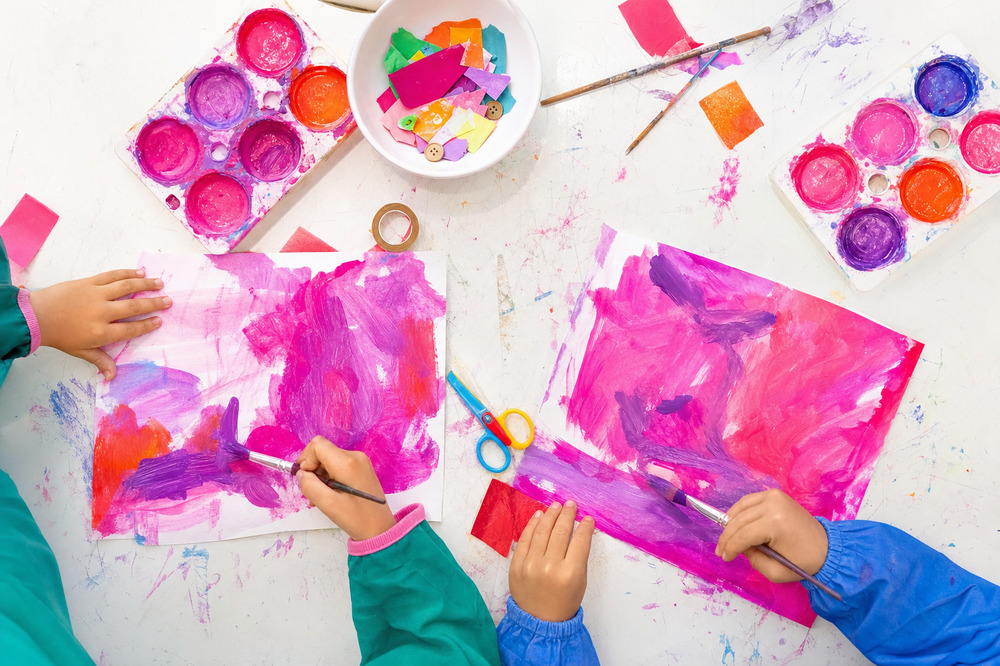

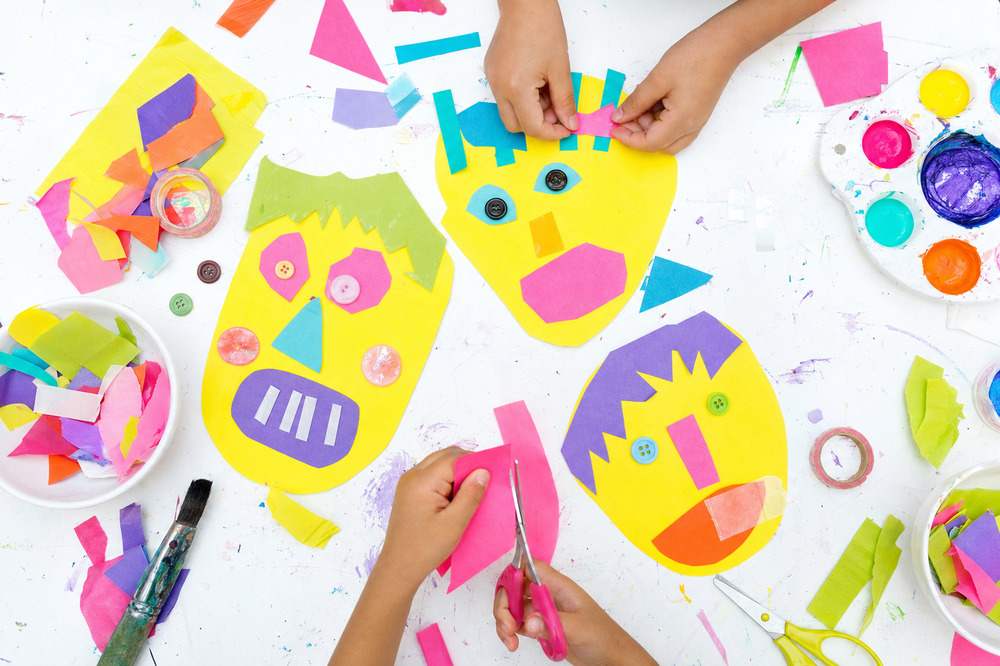
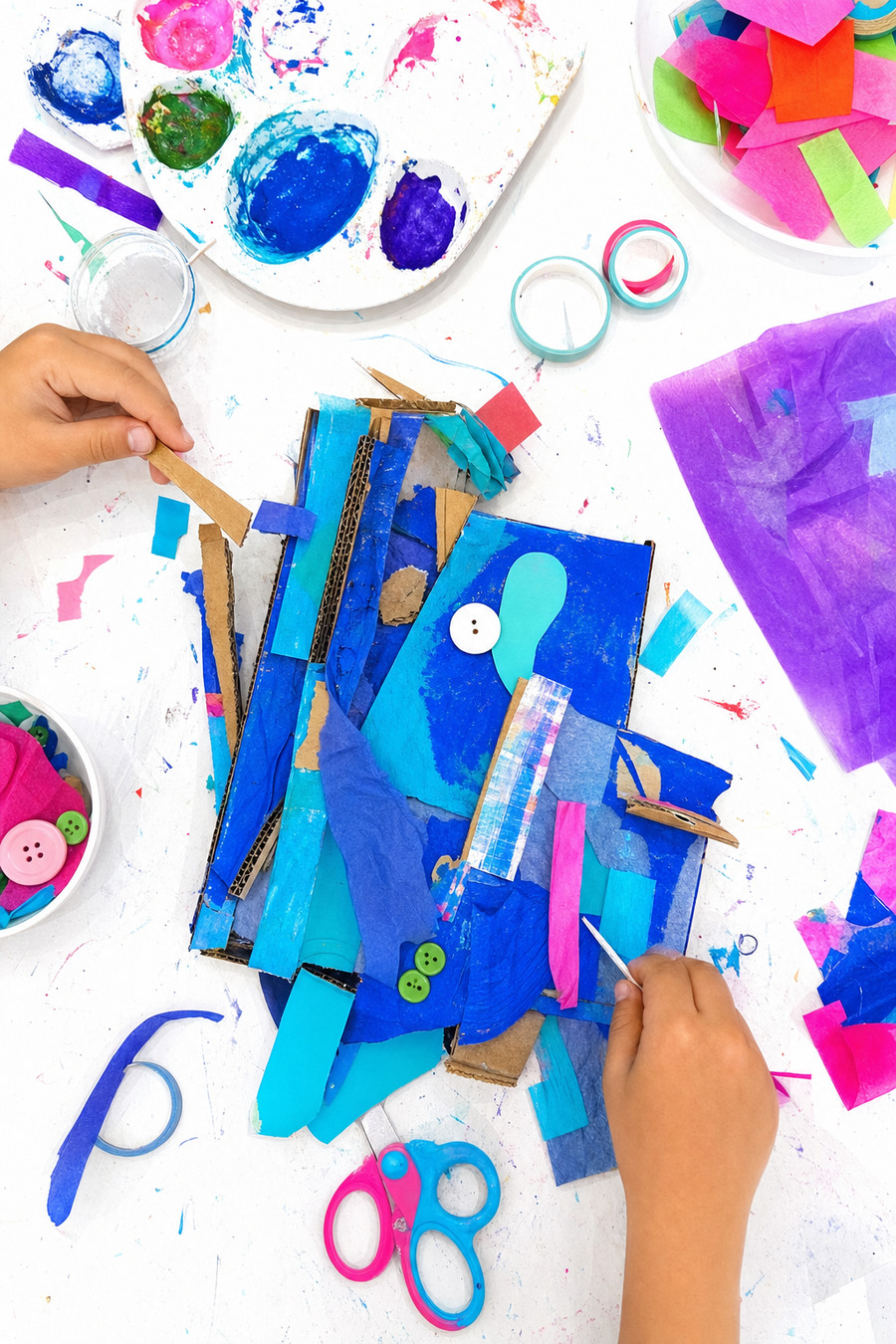
The rhythm of a good lesson
Five steps you can use for anything
Connect
Start with something your child already knows or loves. "Remember how we mixed paint yesterday?" This gets them leaning in.
Warm up the growth brain
Say what's coming and name the tricky part. "Today we're trying something new. Part of it will be tricky."
Teach
Show one thing, simply. Say the real words ("line", "curve", "mix") and keep it short. Ten seconds of teaching beats two minutes.
Create and coach
Let them have a go. Step back. When they get stuck, ask a question before you give an answer: "What could you try?"
Share
Finish by looking at what they did. "Tell me about it. What was the tricky part?" Then put it somewhere they can see it.
See it in action
A 15-minute lesson from start to finish
Minutes 0 to 2: Connect
"We have our paints. Last time you made orange. Do you remember what colours made it?"
Minutes 2 to 3: Warm up
"Today we're mixing green. It might surprise us, and that's the fun part."
Minutes 3 to 4: Teach
Show blue and yellow touching on the paper. "When colours meet, they mix. This is called colour mixing."
Minutes 4 to 12: Create and coach
Let them paint and explore. If they say it looks muddy, say "That happens when we mix a lot. What could you try next?"
Minutes 12 to 15: Share
"Show me your favourite green. How did you make it?"
Habits that make you a better teacher
Five habits to start this week
Teach a material like a story
Introduce a brush or a crayon as a character with a job, and children listen differently.
Say the real words
Little children can learn "texture", "curve" and "horizon". Skip the baby words.
Notice the doing, not the thing
Say "I see you worked on that for a long time" instead of "what is it?"
Set it up, then get out of the way
Put out the materials and step back. Your silence gives them room to think.
Model mistakes
Make one on purpose and say, "Hooray, a mistake!" It teaches more than any speech.
Good news
What you do not need
The teacher's why
Why this rhythm works
Teachers use a rhythm like this because it works with how little children learn: they need to feel connected, know what's coming, see one thing clearly, have time to try it themselves and then talk about it.
You can use it for painting, counting, cooking or learning a new word. The subject changes. The rhythm stays the same.
Tips by age
How to adjust it by age
Age 3
- Five minutes is plenty
- One tiny thing to learn
- Use your hands as much as your words
Age 4
- Add a question at the end
- Let them choose a material
- Make it a little more challenging
Age 5 to 6
- Ten to fifteen minutes
- Let them plan the next step
- Ask them to teach it back
Common mistakes
Five things that backfire
Troubleshooting
If your child...
Want the full method?
This is a taste of how I teach. The Method is the whole thing, written down step by step.
From Valando
You don't need the degree. You need the how.
The Kitchen Table Method is the how, taught in short lessons in my voice, so you can teach your own child with confidence.
Sources and further reading
Where this comes from
- Raising Children Network: the Australian parenting website Raising Children Network
Take the next step
Ready for the whole thing?
This guide gives you the ideas. The courses teach you how to run them, step by step, so it works on a real Tuesday.
The Kitchen Table Method
$139 once, yours for life
- Short audio lessons in my voice, to listen to while dinner cooks
- A ready-to-go activity and printable card for every session
- The exact words to say when it gets hard
The Method
$999 or $1,499 for your whole site
- Calm, confident art with three to six year olds
- Set-up, materials and the words to use, taught step by step
- 7-day money-back guarantee